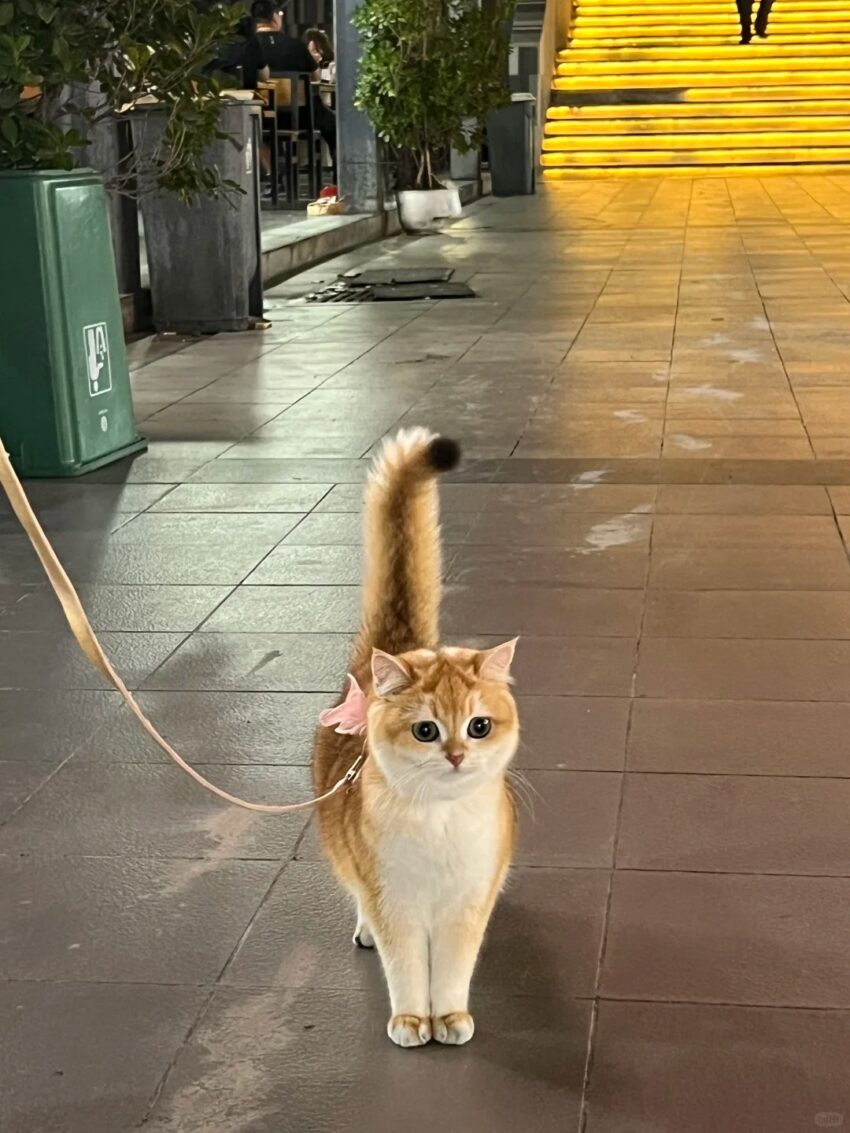
Here’s a full overview:
🐾 Tabby Cat Overview
Pattern type: Coat pattern (not a breed)
Found in: Many breeds — including Domestic Shorthair, Maine Coon, Bengal, Abyssinian, and more
Coat colors: Brown, gray, orange, cream, silver, blue, and others
Lifespan: Depends on breed — typically 12–16 years
🌀 Types of Tabby Patterns
-
Classic (Blotched) Tabby
-
Swirled, marble-like patterns on the sides.
-
Often looks like a target or bull’s-eye.
-
-
Mackerel Tabby
-
Narrow, vertical stripes running down the sides like a tiger.
-
The most common pattern.
-
-
Spotted Tabby
-
Spots instead of stripes — seen in breeds like Bengals or Ocicats.
-
-
Ticked Tabby (Agouti)
-
No visible stripes or spots, but each hair has multiple color bands.
-
Found in Abyssinians and some mixed breeds.
-
-
Patched Tabby (Torbie)
-
A mix of tabby and tortoiseshell coloring — patches of orange/red and brown/black.
-
😺 Personality (Typical for Tabbies)
While personality depends on breed and upbringing, many tabby owners describe them as:
-
Affectionate and social — enjoy human company.
-
Playful and curious — love exploring and climbing.
-
Smart and expressive — communicate with body language and meows.
-
Adaptable — fit well in homes with kids or other pets.
🧬 Fun Facts
-
The tabby pattern comes from the agouti gene, which creates banded hairs and varied markings.
-
The “M” mark on the forehead is iconic — legends say it stands for “Mary” (Christian lore), “Mohammed” (Islamic lore), or even “Mau” (ancient Egyptian for cat).
-
All domestic cats likely descend from African wildcats, which also have tabby markings.
Would you like to see pictures of different tabby types (like mackerel, spotted, or classic)?
