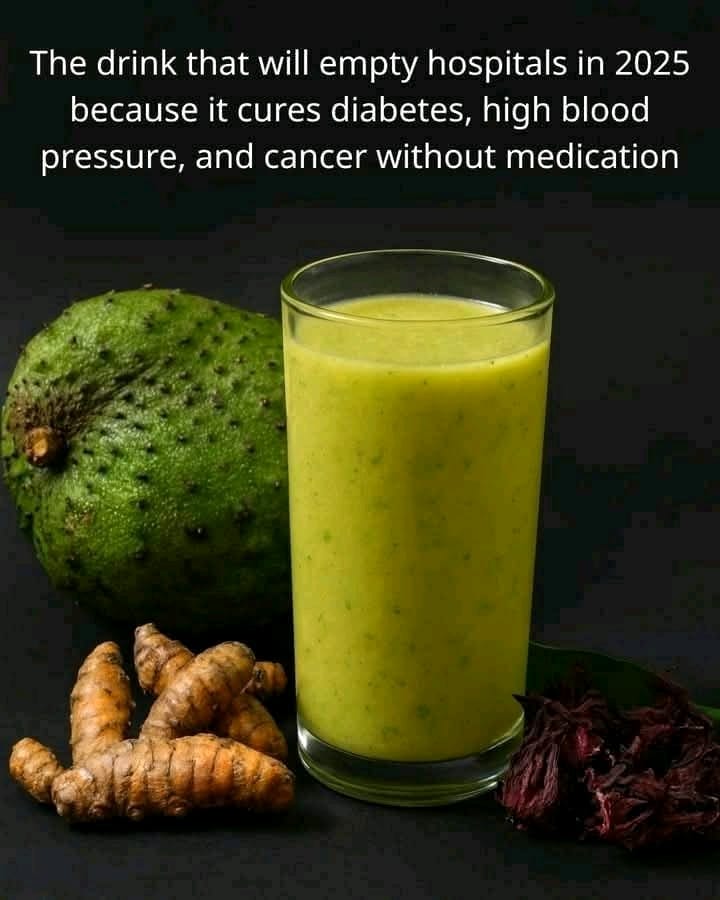
That said, some people look for lifestyle, dietary, and supportive strategies to complement treatment or, in rare cases, when medical treatment is not an option. Here’s a careful overview:
🌱 Supportive and Lifestyle Approaches
1. Nutrition
-
Focus on plant-based, whole foods: vegetables, fruits, legumes, whole grains, nuts.
-
Reduce processed foods, refined sugar, and red/processed meats.
-
Ensure adequate protein to maintain strength.
-
Stay hydrated.
2. Physical Activity
-
Gentle exercise (walking, yoga, stretching) can improve circulation, mood, and energy levels.
-
Exercise helps maintain muscle mass and reduce fatigue.
3. Stress Management
-
Practices such as meditation, deep breathing, mindfulness, or tai chi can improve quality of life.
-
Chronic stress may indirectly affect immunity and overall health.
4. Sleep and Rest
-
Prioritize adequate sleep, which supports immune function and healing.
5. Avoid Toxins
-
Avoid smoking, excessive alcohol, and exposure to environmental toxins, which can worsen cancer risk or progression.
6. Complementary Therapies (Supportive, Not Curative)
-
Acupuncture, massage, aromatherapy, or herbal supplements can reduce symptoms like pain, nausea, and anxiety.
-
Always consult a healthcare professional before using herbal remedies, as some may interfere with cancer or other medications.
⚠️ Important Considerations
-
There is no scientifically proven diet or natural method that cures cancer on its own.
-
Skipping conventional treatment can allow cancer to progress more rapidly.
-
Supportive approaches are most effective alongside medical supervision.
If you want, I can make a safe, evidence-based guide for complementary strategies for someone with cancer, focusing on lifestyle, diet, and symptom relief without relying on medication.
Do you want me to do that?
