Causes & Risk Factors
-
Genetic predisposition: Mutations in the filaggrin gene can weaken the skin barrier.
-
Immune system dysregulation: Overactive immune responses trigger inflammation.
-
Environmental factors: Allergens, irritants (soaps, detergents), temperature changes, and stress can trigger flare-ups.
-
Skin barrier defects: Leads to dryness and increased susceptibility to irritants and allergens.
Symptoms
-
Itching: Often intense and persistent.
-
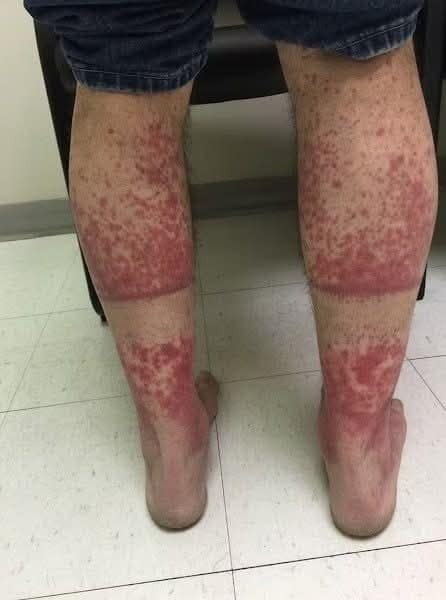
Red, inflamed skin: Can appear on cheeks, scalp, hands, arms, legs, or body folds.
-
Dry, scaly, or thickened skin (lichenification) in chronic cases.
-
Blisters, oozing, or crusting in acute flare-ups.
-
Darkened skin (hyperpigmentation) or skin discoloration in chronic areas.
Common Triggers
-
Harsh soaps, detergents, or fragrances
-
Allergens (dust mites, pollen, pet dander)
-
Stress or hormonal changes
-
Extreme temperatures or sweating
-
Certain foods (especially in children: eggs, milk, nuts)
Management & Treatment
1. Skin care
-
Moisturizers: Apply frequently to maintain skin barrier (ointment > cream > lotion).
-
Gentle cleansers: Fragrance-free, non-soap cleansers.
-
Bathing: Short, lukewarm baths followed by immediate moisturization.
2. Anti-inflammatory therapy
-
Topical corticosteroids: For flare-ups (low to high potency depending on location/severity).
-
Topical calcineurin inhibitors: Tacrolimus or pimecrolimus for sensitive areas (face, skin folds).
3. Symptom relief
-
Antihistamines: For severe itch, especially at night (sedating antihistamines may help).
-
Wet wraps: Can soothe inflamed areas and increase absorption of medications.
4. Avoid triggers
-
Identify and minimize contact with irritants or allergens.
-
Maintain a consistent skin care routine.
5. Severe cases
-
Systemic treatments: Oral corticosteroids, biologics (e.g., dupilumab), or immunosuppressants may be considered under specialist care.
-
Phototherapy: Ultraviolet light therapy for chronic resistant AD.
Prognosis
-
Many children improve with age, but some may continue to experience symptoms into adulthood.
-
Chronic scratching can lead to infections (commonly Staphylococcus aureus) and permanent skin changes.
Key Points
-
Atopic dermatitis is chronic and relapsing.
-
Moisturizing and avoiding triggers are the foundation of management.
-
Medical therapy focuses on reducing inflammation and controlling itch.
If you want, I can also provide a step-by-step daily care routine specifically for atopic dermatitis that helps minimize flare-ups.
