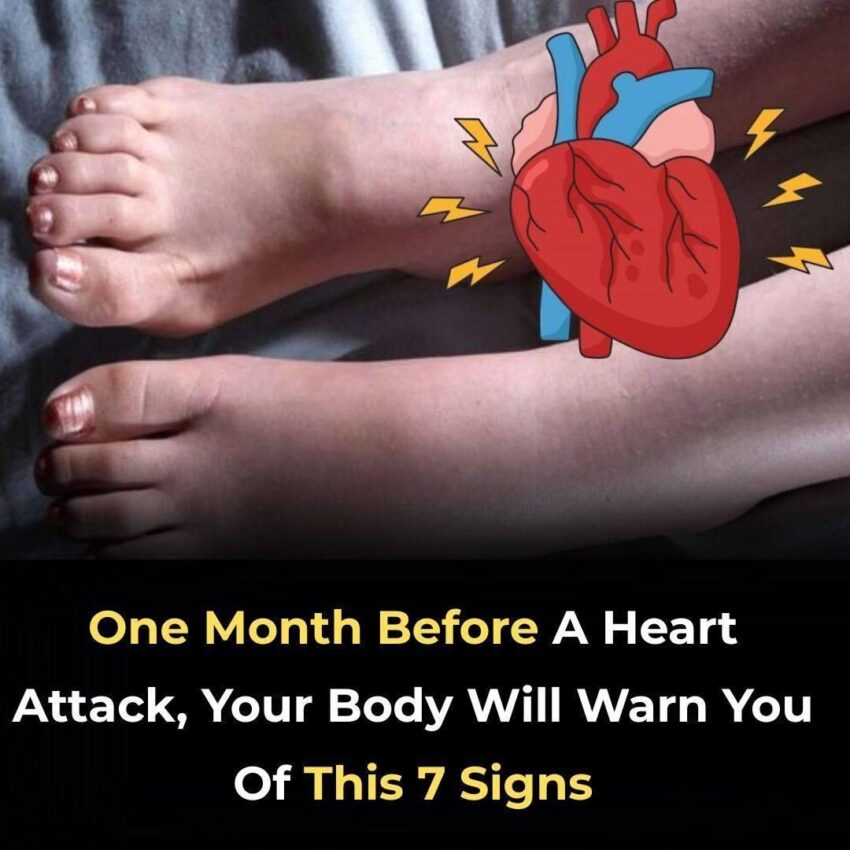
Here are some of the early warning signs of a heart attack that might occur in the weeks leading up to one:
1. Chest Pain or Discomfort
-
Chest pain is one of the most common signs of a heart attack, but it might occur gradually over time rather than suddenly.
-
This pain or discomfort could feel like pressure, tightness, or a heavy weight on the chest. It may come and go or feel more intense when you’re exerting yourself.
-
You may also experience discomfort in the upper body, such as in the arms, back, shoulders, neck, jaw, or stomach.
2. Shortness of Breath
-
Feeling out of breath during normal activities or even while resting can be an early warning sign of heart problems.
-
This shortness of breath might not always be associated with chest pain, and it could appear gradually as a result of your heart becoming less effective at pumping blood.
3. Fatigue or Weakness
-
Unusual tiredness or fatigue is often reported by individuals who have experienced heart disease or are about to have a heart attack.
-
You might feel constantly tired, weak, or unable to complete normal tasks without exerting excessive effort. This could occur even with minimal physical activity.
4. Lightheadedness or Dizziness
-
Feeling lightheaded or dizzy, especially when standing up or exerting yourself, can be a sign of a reduced blood flow to the brain, which may be linked to heart issues.
5. Nausea and Vomiting
-
Some people experience nausea, vomiting, or indigestion-like symptoms before a heart attack. These symptoms are especially common in women and may be mistaken for something like the flu or acid reflux.
6. Sweating (Cold Sweats)
-
Breaking out in a cold sweat, especially when you’re not exerting yourself, is another potential sign of heart distress. This can happen suddenly and is often associated with other heart attack symptoms.
7. Pain in Other Areas of the Body
-
While chest pain is the classic heart attack symptom, some people experience pain in other parts of the body, such as the arms, back, neck, jaw, or stomach, weeks before a heart attack.
8. Swelling in the Legs or Ankles
-
Fluid retention or swelling in the lower legs and ankles can indicate heart failure or an impending heart attack. This happens because the heart isn’t pumping blood efficiently, causing fluid buildup in the body.
9. Heart Palpitations or Irregular Heartbeat
-
Feeling like your heart is racing, fluttering, or beating irregularly (known as arrhythmias) can be a sign of heart problems that could eventually lead to a heart attack.
10. Sleep Disturbances
-
Difficulty sleeping, waking up frequently during the night, or having trouble getting restful sleep can sometimes be linked to heart disease, especially if you have other symptoms like chest discomfort or fatigue.
When to Seek Medical Attention:
If you’re experiencing any combination of the above symptoms, it’s important to seek medical advice as soon as possible, especially if you have risk factors for heart disease, such as:
-
High blood pressure
-
High cholesterol
-
Obesity
-
Smoking
-
Family history of heart disease
-
Diabetes
Early intervention can help prevent a heart attack or reduce its severity. A healthcare provider might perform tests like an ECG (electrocardiogram), blood tests, or an echocardiogram to assess your heart’s health.
Preventing a Heart Attack:
To reduce your risk of having a heart attack, especially if you’re experiencing symptoms or have risk factors, you can make lifestyle changes such as:
-
Eating a heart-healthy diet (rich in fruits, vegetables, lean proteins, and whole grains)
-
Exercising regularly (aim for at least 30 minutes of moderate activity most days of the week)
-
Quitting smoking
-
Managing stress (through mindfulness, relaxation techniques, or therapy)
-
Managing chronic conditions (such as high blood pressure, diabetes, or high cholesterol)
Taking care of your heart and staying vigilant about any changes in your health is crucial. If you’re worried about any signs or symptoms, don’t hesitate to see a doctor. It’s always better to be cautious when it comes to heart health.
Would you like more information on heart disease prevention or tips on leading a heart-healthy lifestyle?
